Before Your MRI: Everything You Wish Someone Had Told You
When pain doesn’t settle as expected, it’s easy to feel that an MRI scan must hold the answers. Many people arrive at physiotherapy already convinced they need imaging to understand what’s wrong. At Midland Physiotherapy, we take a more balanced approach because the most effective treatment comes from understanding the person, not just the scan.
What Is An MRI Scan?
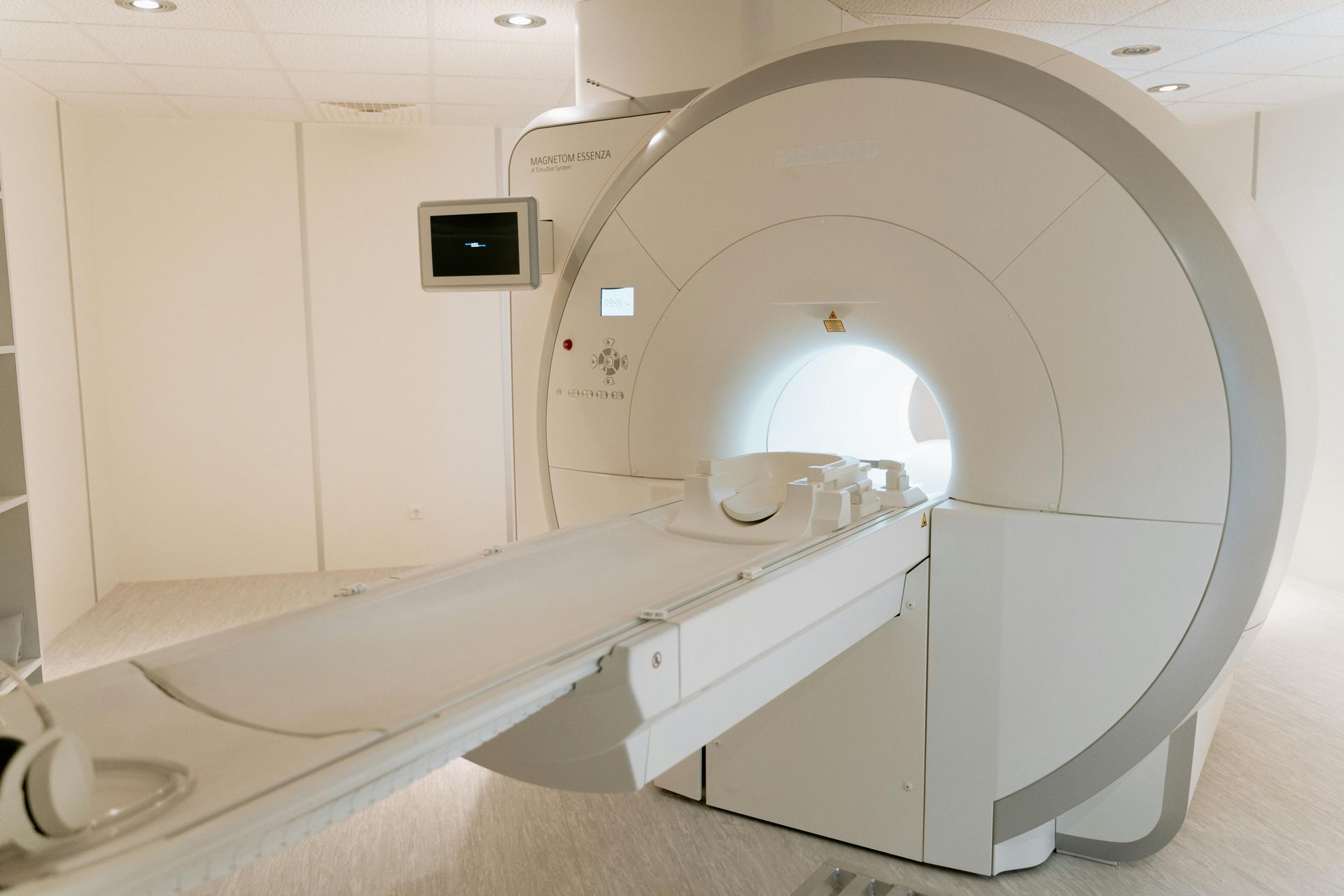
MRI (Magnetic Resonance Imaging) provides highly detailed images of the body including muscles, tendons, ligaments, cartilage and spinal discs. It’s a powerful diagnostic tool but it only shows structure, not pain, movement quality, strength, or how your body functions day-to-day.
That distinction is important.
Person Before Picture
One of the most important principles in modern physiotherapy is treating the person, not the scan.
MRI findings don’t exist in a vacuum. Two people can have the same scan results, one in significant pain, the other completely symptom free. This is because pain is influenced by far more than what appears on an image, including movement patterns, load tolerance, previous injuries, stress, sleep, and overall health.
When treatment decisions are based solely on scan findings, there’s a risk of missing the bigger picture.
Incidental Findings: When “Abnormal” Is Actually Normal
MRI scans are extremely sensitive, which means they often pick up incidental findings such as age-related or normal structural changes that are not the cause of symptoms.
Common examples include:
- Disc bulges or degeneration in the spine
- Tendon degeneration
- Minor cartilage changes
- Small tears that aren’t clinically relevant
These findings are incredibly common, even in people with no pain at all. Without proper context, they can sound alarming and lead people to believe they’re damaged, when in reality, their body may be strong, adaptable, and capable of recovery.
Why Context Is Everything
A scan only becomes meaningful when it’s interpreted alongside:
- Your symptoms and pain behaviour
- Physical examination findings
- Strength, control and movement testing
- Your sport, work and lifestyle demands
- How your symptoms respond to treatment
This context allows us to decide whether a scan finding is relevant, irrelevant, or simply part of normal human variation.
When Does An MRI Add Value?
There are situations where MRI scanning plays an important role, including:
- When symptoms fail to improve despite appropriate rehabilitation
- If clinical findings don’t fully explain the symptoms
- To rule out more serious or unusual conditions
- When surgical input is being considered
- When reassurance is needed to confidently progress rehabilitation
In these cases, imaging can support decision-making, not replace it.
Our Clinical Approach at Midland Physiotherapy
At Midland Physiotherapy, decisions about MRI scans are made collaboratively and thoughtfully. We don’t default to imaging, but we don’t avoid it either. Instead, we ask a simple question:
Will this scan meaningfully change the way we manage your recovery?
If the answer is yes, we’ll explain why, help arrange the scan, and most importantly, help you understand the results in plain, practical terms.
The Take-Home Message
MRI scans can be helpful tools, but they don’t tell the full story on their own. Recovery is driven by skilled assessment, appropriate loading, movement retraining, and understanding you as an individual.
By treating the person, not the scan, and interpreting imaging findings in the right context, we can reduce unnecessary worry, avoid over-medicalising normal changes, and focus on what truly matters: helping you move better, feel stronger, and return to what you enjoy.
Ready for Clear Answers and the Right Care?
If you’re dealing with ongoing pain and unsure whether imaging is necessary, a thorough physiotherapy assessment is often the best place to start. Our experienced clinicians take the time to understand your symptoms, your goals, and your movement, not just what a scan might show.
Whether you’ve already had an MRI or are wondering if you need one, we’ll help you make sense of the information and create a plan that’s right for you.
👉 Book an assessment today and get expert guidance based on you, not just an image.
📞 0121 517 1595
🌐 info@midlandphysio.co.uk